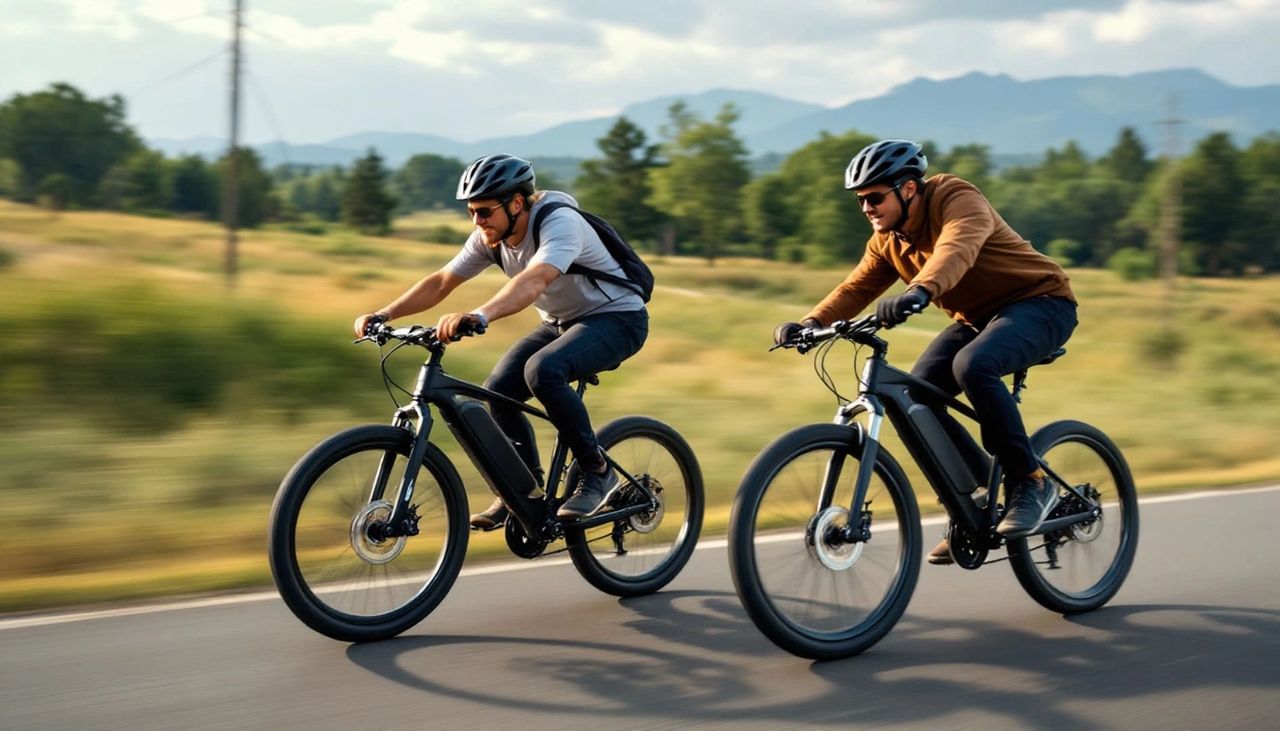
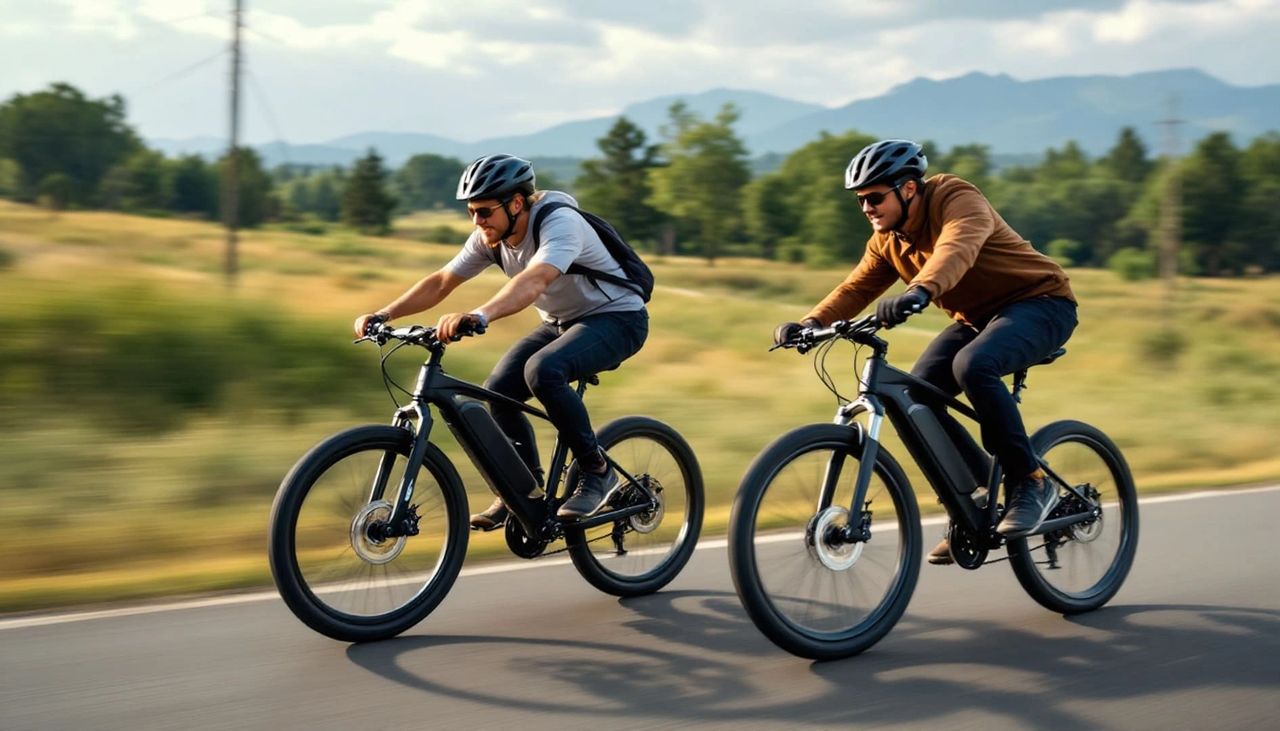
E-bikes have already revolutionized commuting and recreational cycling, but now they’re making their mark in competitive racing. With high-speed capabilities and unique race formats, e-bike racing is growing from an underground trend into a mainstream sport. But will it ever reach the level of traditional cycling competitions? Let’s dive into the world of e-bike racing.
1. What Is E-Bike Racing?
Unlike traditional cycling races, e-bike racing incorporates electric pedal assist, which allows for higher speeds and different strategic elements.
🏁 Types of E-Bike Races:
- Circuit Racing: Riders compete in short closed-loop tracks, similar to road cycling events.
- Enduro E-Bike Racing: Features long, challenging mountain trails, testing technical skills and battery efficiency.
- Urban E-Bike Sprints: Short, high-speed races held on city streets or closed courses.
- Gravel and Adventure Races: Competitors race across off-road terrain using powerful e-MTBs.
2. Who’s Leading the E-Bike Racing Scene?
🚵 UCI E-Mountain Bike World Cup
- The Union Cycliste Internationale (UCI) launched an official e-MTB racing series, integrating e-bikes into world-class competition.
- Features off-road, high-speed climbs and technical descents, proving e-MTBs are more than just a casual ride.
- The Fédération Internationale de Motocyclisme (FIM), known for MotoGP and motocross, has introduced an e-bike racing series, bridging cycling and motorsports.
🌍 Local and Amateur Leagues
- Grassroots events are popping up worldwide, from Europe’s Bosch eBike Challenge to U.S.-based e-bike time trials.
3. How E-Bike Racing Changes the Game
🔥 More Accessible to Riders
- Traditional cycling requires years of training to be competitive—e-bike racing allows more riders to enter the sport, as pedal-assist reduces physical barriers.
⚡ New Strategy Elements
- Unlike regular cycling races, e-bike racers must manage battery powereffectively.
- Choosing when to use full assist vs. manual pedaling becomes part of race strategy.
💨 Faster Speeds = More Excitement
- E-bike racing features higher speeds (often 28+ mph), making races more thrilling for spectators.
- Unlike long-distance cycling, races can be shorter, high-intensity sprints, appealing to casual fans.
4. The Challenges of Making E-Bike Racing Mainstream
🚧 Regulation Issues
- There are no universal e-bike racing rules, and different e-bikes have varying power outputs and speed limits.
- Governing bodies are still figuring out standardized classifications for fair competition.
🔋 Battery Management & Charging
- Some argue that battery technology plays too big a role, favoring those with the best tech over rider skill.
- Races need solutions like mandatory battery swaps or limited assist levels to keep competition fair.
💰 Sponsorship and Industry Support
- Unlike traditional cycling, e-bike racing still lacks big-name sponsors and TV coverage.
- However, as the market grows, companies like Bosch, Specialized, and Trek are investing in competitive events.
5. The Future of E-Bike Racing
🚀 Where It’s Headed:
- More urban e-bike race series, attracting city commuters and thrill-seekers.
- Further integration with motorsports, possibly racing alongside MotoGP or Formula E.
- Increased tech advancements, like energy recovery systems and real-time telemetry.
While e-bike racing is still in its early stages, it’s poised to become a legitimate competitive sport with its own unique appeal. As e-bikes continue to rise in popularity, expect faster, more thrilling events to emerge on the world stage.


Leave a Reply